
Collection
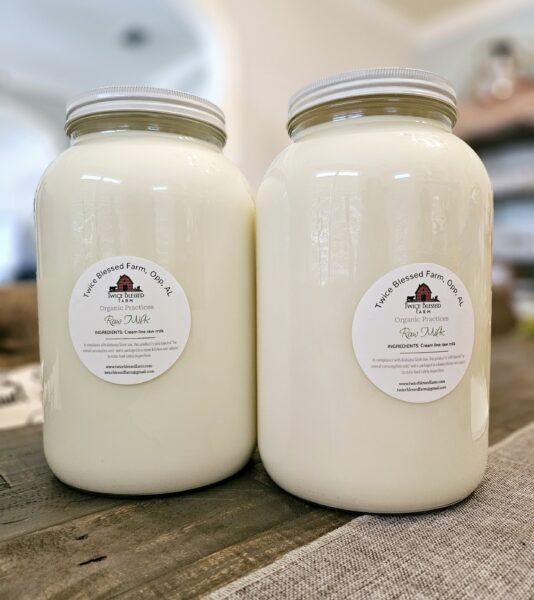
Providing real food for our family is a priority, and we are blessed to share this bounty with our community. Legal disclaimer first. Due to the controversial history of raw milk that ultimately lead to its legal prohibition for consumption in the United States, we have to abide by Alabama’s specific laws regarding raw milk consumption. For now, we must label our milk “for animal consumption only”, to make it available for purchase by the gallon. It can be purchased in recyclable BPA-free jugs or reusable gallon glass jars.
We take great care in our milking process. We do not have a traditional dairy. Our cows are still milked personally one at a time. Our process is hygienic and meticulous, with each cow being cleaned with a fresh cloth and warm water prior to milking. The milk is strained, quickly chilled, and stored in a refrigerator using stainless steel materials to maintain quality and freshness. As an extra safety measure, we purchased a lab for on-farm testing last year. We adhere to the Raw Milk Institute’s recommendations for testing our milk for coliforms and standard plate count. Consequently, the milk you receive is almost always from the previous day to ensure all tests have been completed.
Our farm livestock, including our cattle, are grass-fed throughout the year on unsprayed pastures and supplemented with non-GMO, organic feed when necessary. They have unrestricted access to minerals and a homemade organic spray and garlic-infused mineral for fly control.
Transportation Safety
Raw milk, when properly handled, is indeed safe for consumption. Interestingly, it is the sole food that a person could exclusively rely on for survival. Handling raw milk; however, does require specific care to maintain its quality and safety. When you pick up your milk, always transport your milk, no matter how short the distant, in a cooler with ice. Refrigerate at temperatures below 40°F in the coldest part of your refrigerator. Leaving raw milk at room temperature even for 30 minutes can reduce the lifespan by a day.
Always ensure your hands and all equipment used are clean. We get lots of requests to bring your own bottles. We do not allow this practice as we want to ensure the milk is placed in a sterile glass bottle, or plastic jug to ensure it lasts as long as it can.
Remember, raw milk is highly perishable, consuming it within a week to ten days is advisable. That being said, raw milk presents a unique characteristic – it never really goes bad, it simply undergoes a transformation. As it ages, the properties of raw milk shift, heralding a change in form rather than an expiration. This natural phenomenon makes raw milk a timeless and versatile product.
Additional Uses
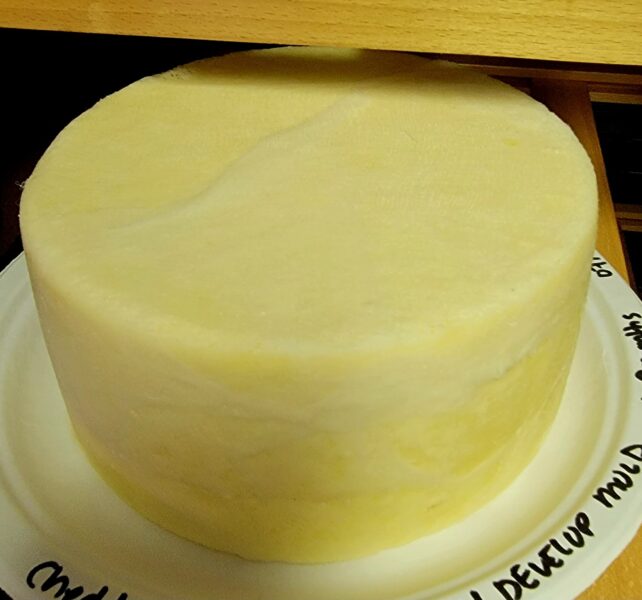
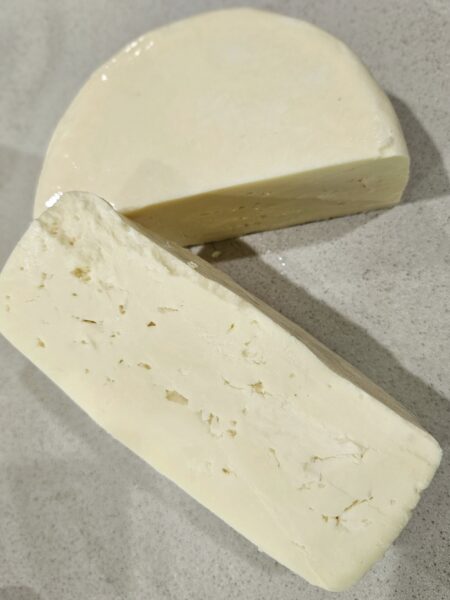
Raw milk should keep it’s sweet taste for about 10 days. After this period, it usually isn’t as palatable to drink; however, it can still be used to cook, bake, or make cheese. If you find yourself with raw milk older than palatable, there are a few simple things you can make with it to use it up quickly.
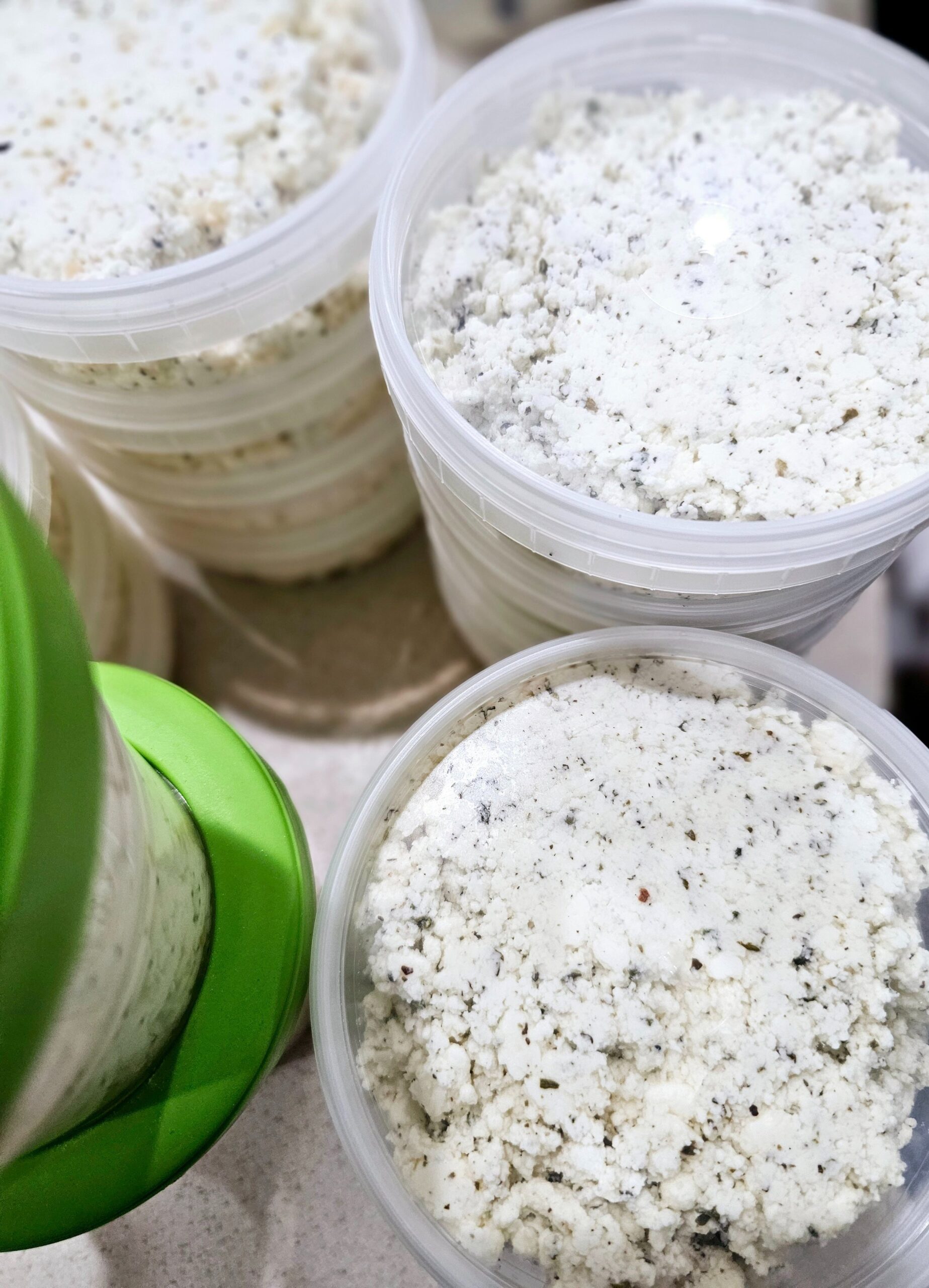
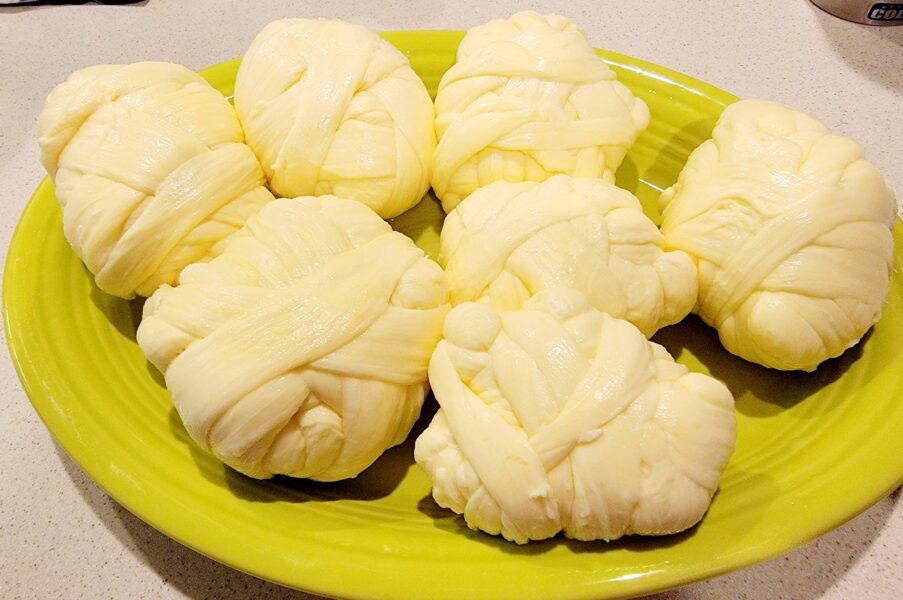
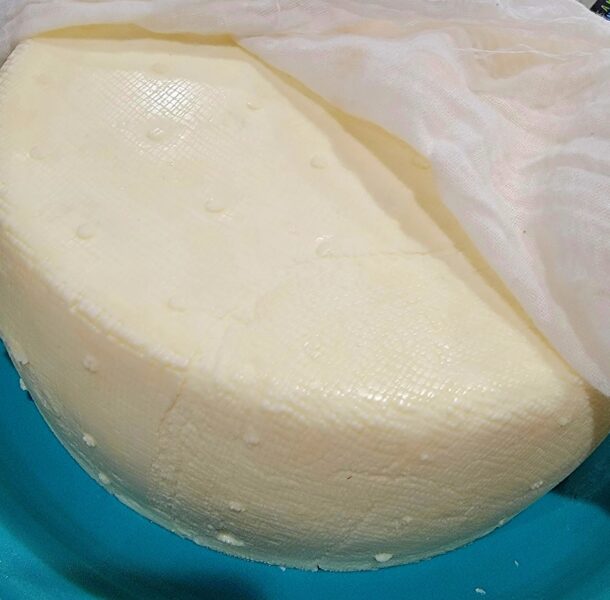
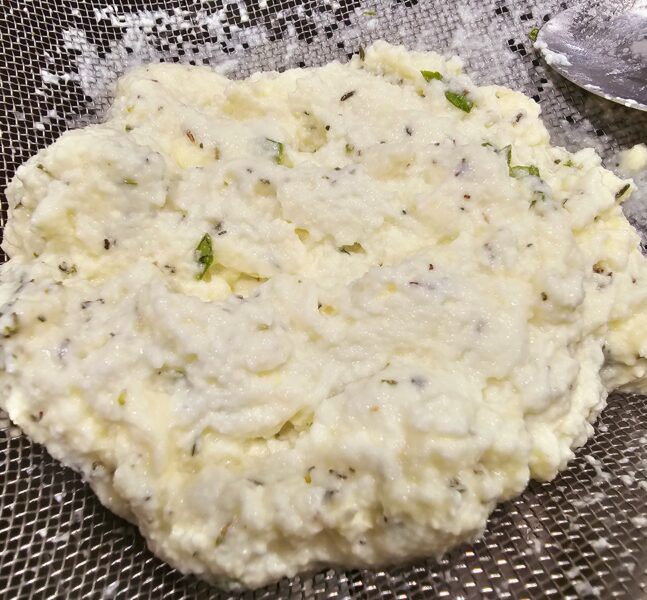
Farmer’s cheese is by far the easiest cheese to make. Heat the milk to approximately 190 degrees. If you do not have a thermometer, watch for the small bubbles to start forming. Pour 1/4 to 1/2 cup vinegar into the milk and stir. You will start to see the milk separate as you stir. Remove the pan from heat. Let the cheese set under the whey for approximately 15 minutes. Drain and add whatever spices you’d like!
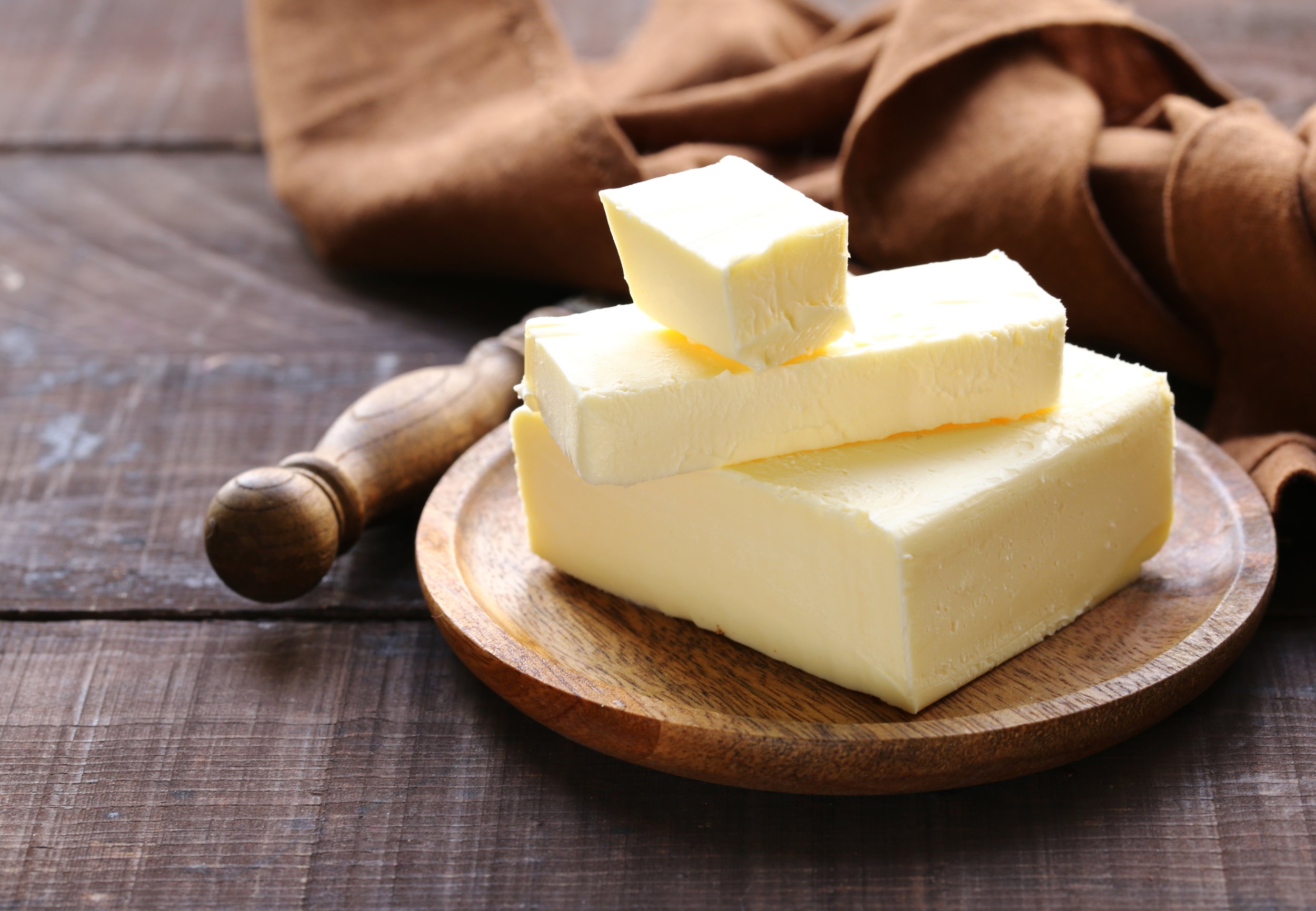
Top-quality butter is the result of cream that has been allowed to sit for approximately a week to ten days. The kind of food processor you have available influences your butter production method. A professional-grade food processor can quickly transform cold cream into butter. Our method involves running milk through a separator to extract cream. We do have to reintroduce a bit of milk back into the processor to help wash the butter and yield a small amount of buttermilk. This step isn’t required if you skim the cream yourself. If you’re using a regular household food processor, it’s advisable to let the cream warm to room temperature before attempting butter production, a process that can take about 7-8 minutes. After the butter is made, it’s crucial to press out as much buttermilk as possible to enhance its longevity. Adding a pinch of salt can further aid in preservation.
Composition
We do not remove the cream from our milk. When milk is freshly obtained from the cow, it has a high fat content. The absence of this fat in low-fat or skimmed milk store purchased variants contributes to lactose intolerance. Your body requires this fat to digest milk properly.
Our milk is not homogenized. It’s worth noting that homogenization, a process designed to enhance the visual appeal of store-bought milk, also inadvertently makes milk indigestible for some. This process involves sending milk through a tiny tube to break down fat molecules, preventing the separation of cream from the milk. Unfortunately, this modification has rendered milk indigestible for a significant portion of the population. This explains why many diagnosed as lactose intolerant can consume raw milk.
Our milk is also not pasteurized. We only have milk available in it’s natural, raw form. Pasteurization was created in an effort to remove the bad bacteria from raw milk that was being collected in very unsanitary dairies. Unfortunately, by heating the milk to remove the bad bacteria, it also kills the good bacteria. Raw milk is actually loaded with beneficial bacteria that help balance our gut biome. These friendly bugs aid digestion, boost immunity, and even enhance mood.
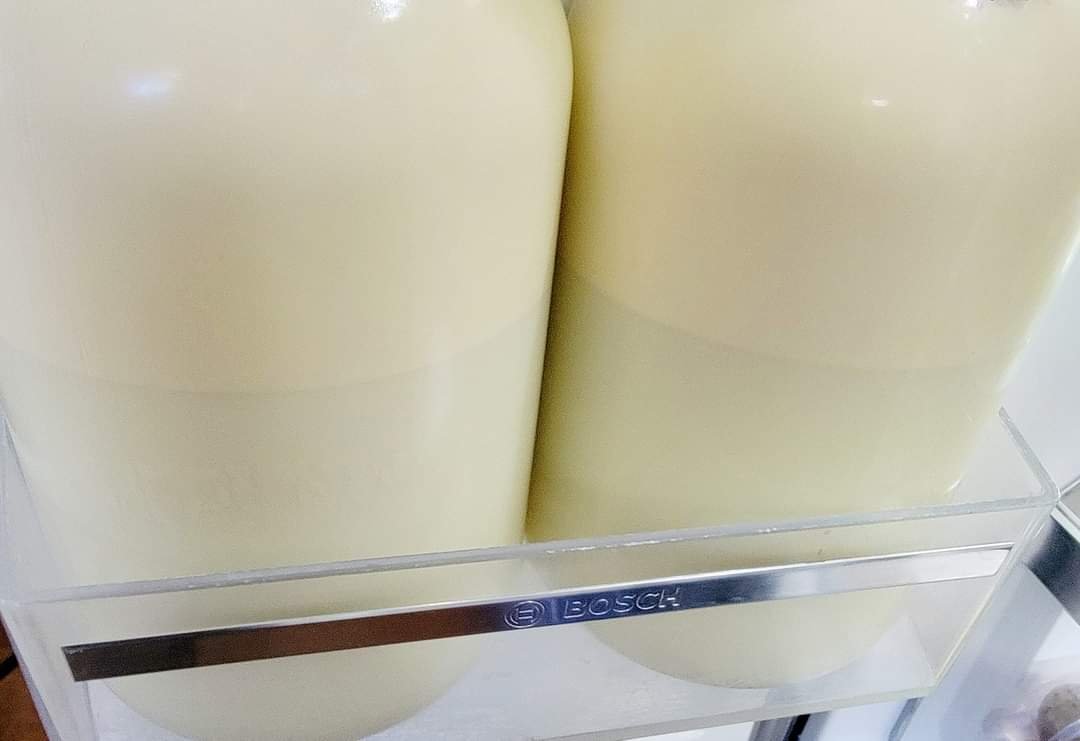
The cream line on our milk becomes quite noticeable within 12 hours of refrigeration. As it settles, the cream thickens. After 48 hours, the top cream layer is considered heavy cream. The middle layer is deemed half-and-half, while the bottom layer is ideal for your coffee. After about a week, this cream becomes perfect for butter! We seldom have a gallon leave here that doesn’t contain at least a quart of cream. Often, our gallons are half cream, half milk. If you’re interested in the cream, purchase a gallon in a glass jar, and you can scoop the cream off. The jar deposit is $5, which can be exchanged each time. Deposits and purchases can be made online through our store.
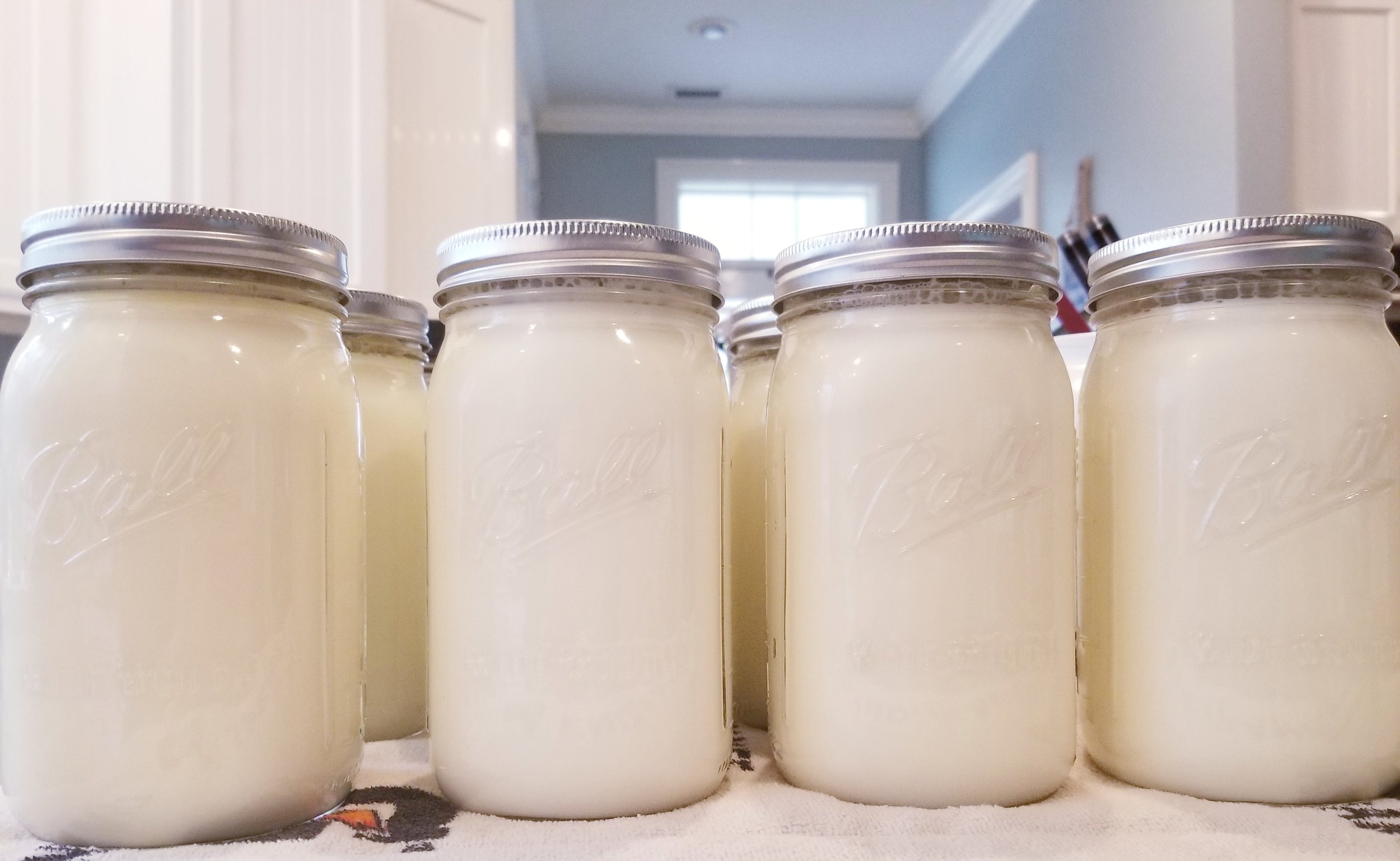
Preserving
Unfortunately, there’s no good way to preserve cream. It doesn’t reconstitute well when frozen. It also doesn’t freeze-dry well due to the fat content. My only avenue of preserving cream has been butter. Butter freezes or cans well.
Milk freezes well for about 6 months; however, you MUST remove all of the cream first.
Milk also cans well, but closely resembles evaporated milk rather than fresh milk. We reserve canned milk for feeding bottle babies on the farm or for baking. Legal disclaimer: The USDA says canning milk is unsafe. The directions I have always followed: Cold milk into cold jars. Cold jars into cold pressure canner. Bring up to 10 lbs of pressure. Turn the canner off and let it come down naturally. Do not open the lid immediately as the jars will syphon. I usually give them about an hour or two before opening the canner.

0 Comments